
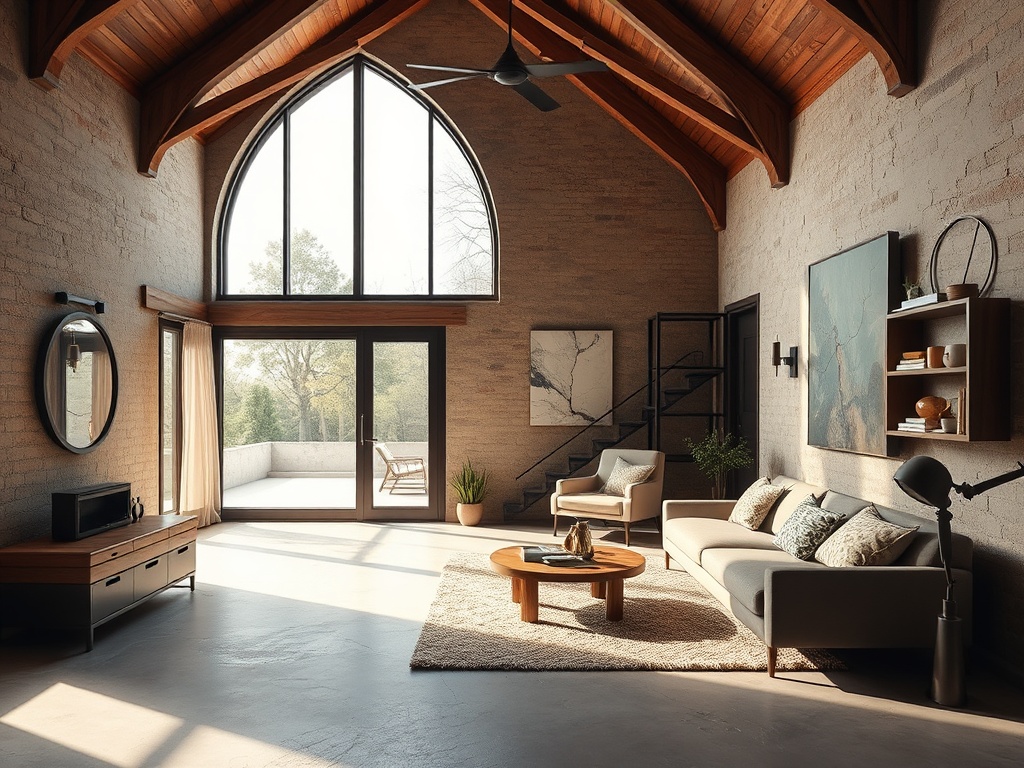

The Legacy of Visionary Architecture
In the world of avant-garde architecture, few names resonate as strongly as Bruce Goff. Known for his radical, organic designs and obsession with individuality, Goff’s work has not only influenced modern architects but also inspired a new generation of artistic and immersive retreats. These unique stays offer more than just a place to sleep—they are living experiences shaped by history, design, and imagination.
Organic Forms and Material Experimentation
One hallmark of historic architectural innovation lies in the use of non-traditional materials and the embrace of natural forms. Goff often incorporated elements like glass cullets, coal, and even seashells to create textural, organic facades. Today’s artistic retreats continue this legacy:
- Treehouses with reclaimed wood and sculptural curves
- Domed cabins blending into rocky hillsides
- Eco-lodges that mimic the flow of surrounding landscapes
These choices are not just aesthetic—they reflect a philosophy of harmony between human and environment. According to the Chicago Architecture Center, such design principles encourage sustainability and emotional connection to space.
Color, Light, and Emotion
Goff believed that color and light were essential to emotional resonance. Many of his interiors featured vivid stained glass, layered lighting, and chromatic contrasts that could shift the mood of a room with the sun’s movement. This sensibility lives on in modern creative accommodations:
- Retreats bathed in natural light filtered through colored panels
- Rooms designed around sunrise and sunset viewing
- Interior palettes inspired by local flora and cultural motifs
These elements create a sensory narrative, making each stay not just memorable but meaningful.
Spatial Freedom and Asymmetry
Traditional architecture often follows symmetry and order—but Goff’s designs thrived in the unexpected. Irregular layouts, multi-level interiors, and flowing transitions between rooms are now featured in many boutique accommodations seeking to break the mold.
Spatial unpredictability invites curiosity. Guests find hidden alcoves, reading nooks suspended above the main floor, or bathrooms tucked behind curved walls. This sense of discovery is a direct descendant of the architectural rebellion Goff embodied.
Storytelling Through Structure
Historic design is often rooted in narrative. Whether echoing a local legend, commemorating a historical event, or simply reflecting the vision of a daring mind, structure becomes story. Today’s artistic retreats often carry this spirit forward:
- Converted lighthouses with tales of maritime adventure
- Restored chapels with stained glass windows preserved from the 1800s
- Geodesic domes inspired by utopian communities of the mid-century
Staying in these places connects guests to a broader history. They are not just visitors—they become part of the ongoing narrative embedded in the walls, floors, and ceilings.
Designing for the Inner Journey
Perhaps most importantly, the artistic retreats inspired by historic design aim to foster introspection. Just as Goff saw architecture as an expression of the soul, today’s creators design spaces that encourage stillness, creativity, and contemplation. Whether it’s through a spiral meditation room or an open-air sleeping platform under the stars, the goal is the same: to offer a retreat for the spirit as much as for the body.
Conclusion: A Living Tribute to Architectural Imagination
From bold material choices to symbolic storytelling, the design elements pioneered by historic visionaries like Bruce Goff continue to shape some of the most compelling retreats of our time. These spaces are more than accommodations—they are living tributes to creativity, history, and individuality. For those seeking an experience beyond the ordinary, artistic retreats offer a chance to sleep inside a dream shaped by the past and reimagined for the present.
