
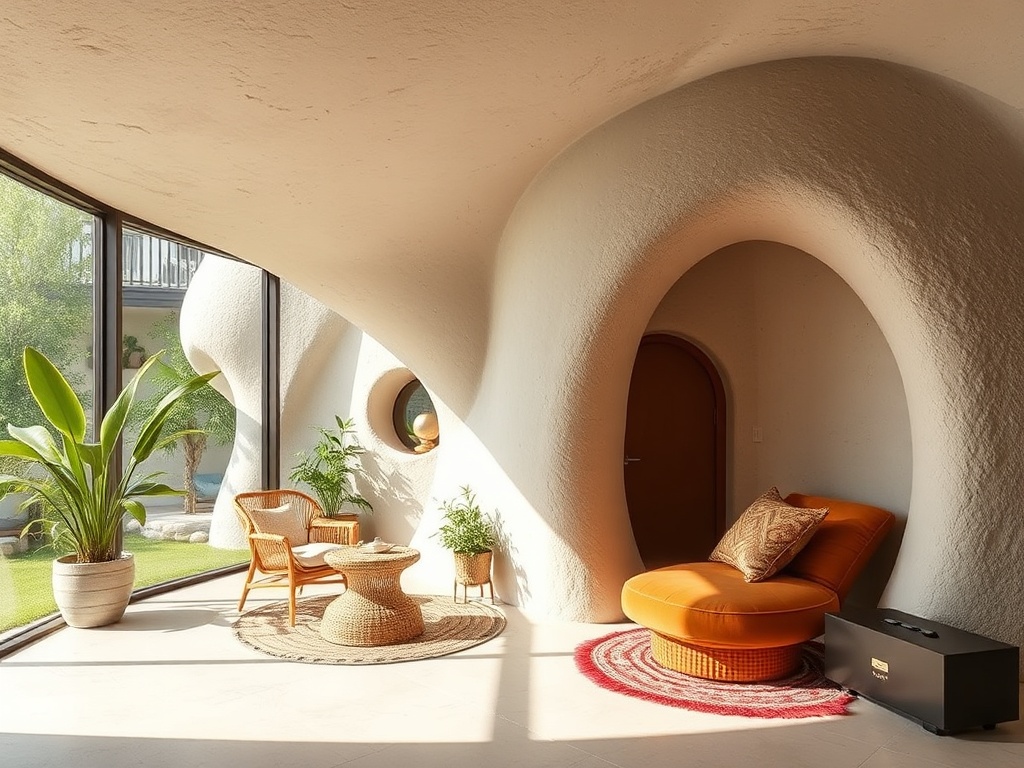

When Architecture Becomes a Dreamscape
In a world where hotel rooms often feel interchangeable, a new wave of architectural hideaways is capturing the imagination of travelers. These spaces don’t just offer a place to sleep—they invite you into a story. Inspired by the fantastical, organic forms of architect Bruce Goff, a number of modern retreats are now embracing the whimsical, the unexpected, and the artistically bold.
Bruce Goff, known for his unconventional designs and flair for the surreal, didn’t just build structures—he created experiences. Today, his influence lives on in hideaways that defy conventional lines and embrace the poetry of design. Whether tucked into the forest or rising from desert sands, these architectural gems offer more than just shelter—they deliver wonder.
The Goff Effect: Organic Forms and Vibrant Spirit
Goff’s architectural philosophy favored freedom over formalism. His works often featured:
- Curved geometries and asymmetrical layouts
- Unusual materials like glass cullets, coal, and even seashells
- Vivid colors and dramatic lighting
These elements now echo through modern hideaways that reject minimalism in favor of sensory-rich environments. Think domed cabins with kaleidoscope glass windows or treehouses adorned with mosaic-covered staircases.
Hideaways That Tell a Story
What sets these places apart isn’t just their appearance—it’s how they make you feel. Staying in a whimsically designed retreat awakens a sense of curiosity and childlike wonder. Here are some features frequently found in these spaces:
- Immersive interiors that blend art and architecture
- Panoramic views framed by irregularly shaped windows
- Furniture as sculpture, often custom-built to echo the architecture
These environments encourage guests to slow down, explore, and engage with their surroundings in a more mindful way. As National Geographic notes, architecture can transform the way we experience a destination—turning a stay into a journey of the senses.
Planning Your Stay in a Whimsical Retreat
What to Expect
Because these hideaways prioritize design over standardization, each experience is unique. Some may lack traditional amenities like TVs or room service, but they make up for it with thoughtful details and immersive atmospheres. Expect to find:
- Locally crafted décor and artisanal materials
- Spaces that encourage exploration, both indoors and out
- Hosts with a passion for storytelling and design
Tips for the Curious Traveler
To fully enjoy your stay in a whimsical architectural hideaway, consider these tips:
- Pack light and flexible clothing—many spaces invite lounging and barefoot living
- Bring a journal or sketchbook to capture your impressions
- Stay open to surprises—part of the charm is the unexpected
And if you’re interested in learning more about the psychological impact of design on the human experience, the design experts at ArchDaily explore how architecture shapes memory and emotion—a fascinating read for architecture lovers and travelers alike.
More Than a Place to Sleep—A Place to Dream
At their best, architectural hideaways transport us. They show us that a building can be more than walls and a roof—it can be an artwork, a conversation, a memory. Inspired by visionaries like Bruce Goff, these spaces remind us that imagination still has a place in the built world.
So next time you’re planning a getaway, consider skipping the standard fare. Seek out a retreat that reflects creativity, playfulness, and soul. You might just find that the most unforgettable journeys begin not with your destination—but with the space you choose to dream in.
