
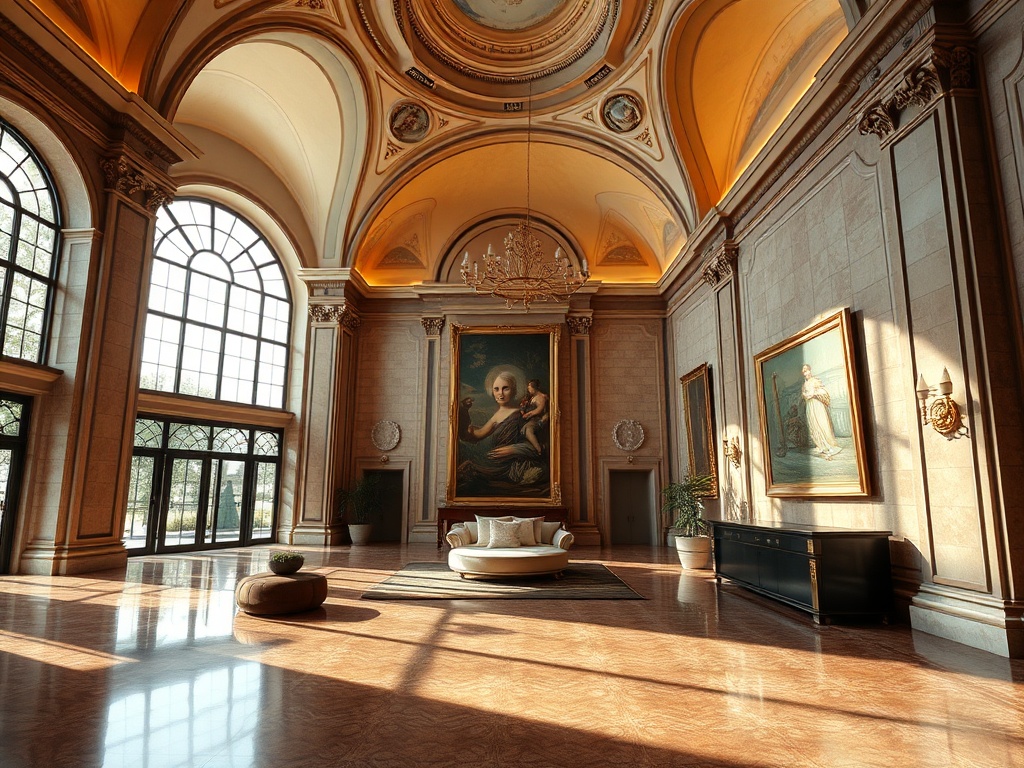

When Walls Speak: The Power of Living Inside Art
Imagine waking up beneath a stained glass dome, sunlight cascading through geometric patterns, or sipping tea in a room shaped like a seashell. These are not dreams—they’re realities for those who choose to stay in architectural icons. Far beyond aesthetic pleasure, living in such spaces evokes a deep emotional resonance that transforms a short stay into a lasting memory.
Bruce Goff’s Legacy: Architecture as Emotion
Bruce Goff, known for his unconventional and organic architectural style, created homes that were not just shelters, but immersive experiences. His use of unexpected materials, asymmetry, and vibrant color palettes engaged the senses and challenged conventional ideas of domestic space. Staying in a residence inspired by his vision doesn’t just offer a place to sleep—it offers a journey through the mind of an artist.
Emotional Architecture: More Than Just Design
Architectural psychologist Dr. Koen Steemers from the University of Cambridge explains that architecture can influence mood, cognition, and even social behavior. Structures like those imagined by Goff invite introspection and childlike wonder through their playful forms and fluid spaces. The emotional impact is real—and measurable.
Feelings That Walls Can Hold
Guests who have stayed in artistically significant homes often describe a mix of emotions:
- Inspiration: The uniqueness of the space stimulates creativity and thought.
- Nostalgia: Retro elements bring back personal or collective memories.
- Serenity: Organic forms and natural light reduce stress and promote calm.
- Wonder: The sheer originality of the architecture sparks awe and curiosity.
Such emotional responses are not accidental. Goff and others like him designed with the intention of provoking feelings. Every curve, texture, and color choice was deliberate, making the space an emotional landscape.
Designing for Discovery: How Unusual Spaces Reshape Routine
Traditional hotel rooms are functional—but rarely memorable. In contrast, staying in an architectural icon transforms the mundane into the magical. Even brushing your teeth in a mirror framed by copper spirals becomes a moment of surprise. These environments encourage guests to slow down and notice the details.
Every Room Tells a Story
In many of these spaces, the architecture is not just decorative—it’s narrative. Goff’s designs, for instance, often drew on Native American motifs, jazz rhythms, and natural forms. Each room is a chapter, each material a metaphor. Visitors don’t just stay; they participate in the unfolding story of the architecture.
From Guest to Character: Immersive Stays
In artistically significant homes, guests don’t just observe beauty—they become part of it. The immersive design blurs the line between art and life. This shift in perspective can foster a deeper connection to self and surroundings. Some guests describe feeling more alive, more grounded, or even more imaginative after their stays.
Tips for Embracing the Experience
To fully enjoy a stay in an architectural icon, consider the following:
- Leave expectations at the door: These spaces may not follow traditional layouts or amenities.
- Engage with the space: Take time to explore every corner. Notice how light moves, how materials feel.
- Document your emotions: Keep a journal or take photos that reflect how the space makes you feel.
- Ask about the history: Understanding the story behind the design can deepen the emotional impact.
The Lasting Imprint of Design
Long after checkout, the emotional footprint of a stay in an artistic space endures. Guests often report feeling changed—more open, more curious, more inspired. Unlike generic accommodations, these spaces offer moments of transformation.
As more people seek meaningful travel experiences, the emotional depth offered by architecturally unique stays becomes not just a luxury, but a necessity. In a world that often feels rushed and standardized, these homes remind us of the power of beauty and imagination.
Conclusion: Letting Architecture Move You
To live—even briefly—inside a work of art is to surrender to its language. It invites you to feel, to reflect, to be in a new way. Whether it’s a Goff-inspired sanctuary or another extraordinary creation, these spaces don’t just house you—they change you.
