
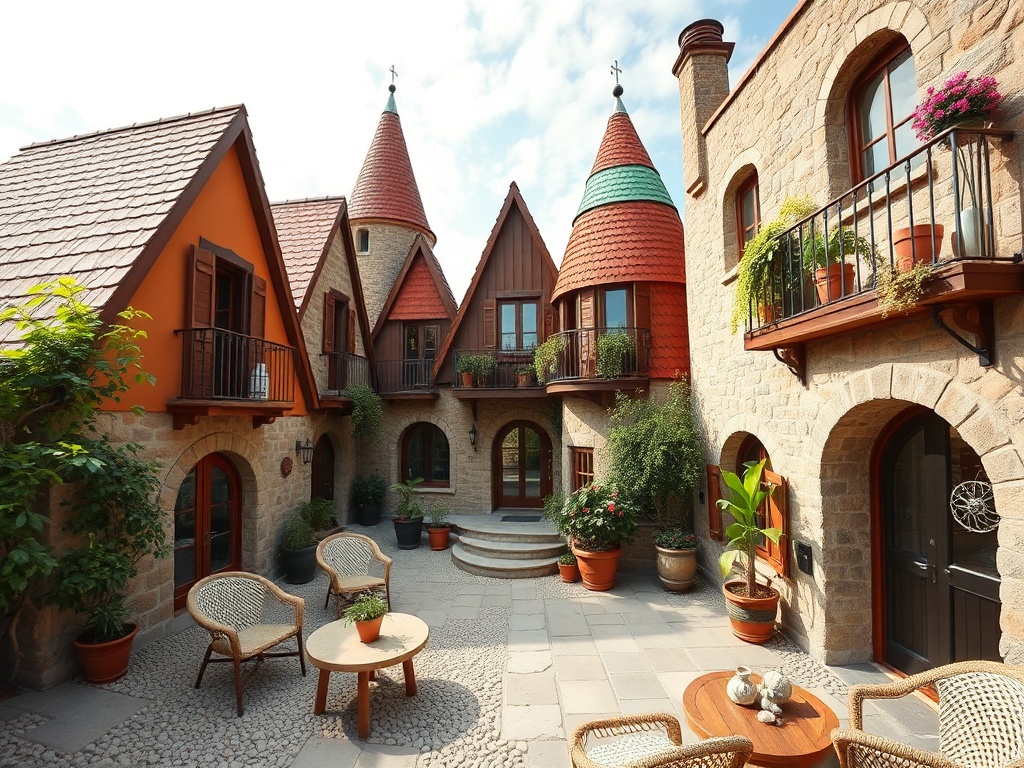

Why Unique Stays Deserve Special Planning
Staying in a place that’s more than just four walls and a bed can be a magical experience. From dome-shaped treehouses to bold, organic structures inspired by architects like Bruce Goff, these unconventional accommodations offer more than shelter—they provide immersion into art, history, and imagination.
However, the charm of these places often comes with quirks travelers might not expect. Planning a stay in such a setting requires a different mindset than booking a standard hotel room.
1. Ignoring the Architecture’s Practical Implications
Architectural masterpieces are often built for beauty and concept, not always for practicality. One common mistake? Assuming the space functions like a traditional hotel.
- Expect unusual layouts—spiral staircases, low ceilings, or split-level rooms.
- Heating and cooling systems might be unconventional or limited.
- Soundproofing isn’t always a priority in architecturally experimental structures.
Before booking, read the full description and reviews to understand the real-life experience inside the space.
2. Underestimating the Location’s Isolation
Many architecturally unique stays are nestled in remote or rural environments to enhance their charm. While that isolation provides serenity, it can also present challenges.
- Limited access to restaurants, shops, or emergency services.
- Potential lack of public transportation—private transport may be necessary.
- Wi-Fi and cell signal may be unreliable or non-existent.
Plan ahead by downloading maps, packing essentials, and preparing for a disconnect from digital life—an opportunity for true relaxation!
3. Forgetting the Historical Context
Many of these accommodations are not just unique—they’re historical. Whether it’s a restored 1950s pod house or a prairie-style cabin, respecting the space’s heritage is essential.
Some places carry cultural or architectural significance that requires guests to follow special rules or limitations. For example, noise levels, furniture arrangements, or even footwear rules may be in place to preserve the structure.
Understanding the story behind the architecture can also enrich your stay. Resources like Architectural Digest often explore the design philosophy behind such unique spaces.
4. Expecting Hotel-Like Amenities
Many travelers assume every stay comes with plush robes, daily cleaning, and a buffet breakfast. But in the world of quirky architecture, luxury often means ambiance over amenities.
- No room service or on-site restaurant? Totally normal.
- Composting toilets or outdoor showers? Quite possible.
- Shared spaces or communal kitchens? A chance to connect with fellow design lovers.
Embrace the differences—they’re what make the experience unforgettable.
5. Packing Without Purpose
Not all unique stays are created equal, and neither are their packing needs. What you bring can make or break your stay.
- In cold climates: blankets or thermal wear if insulation is minimal.
- In remote areas: flashlights, snacks, and a first-aid kit.
- For artist-designed spaces: a camera or sketchbook to capture inspiration!
Some hosts provide detailed checklists—follow them closely. Don’t assume anything is “standard.”
6. Skipping the Small Print
Terms and conditions matter, especially when staying in someone’s architectural passion project. Overlooking rules or requirements can lead to awkward or even costly surprises.
Pay special attention to:
- Check-in and check-out times—often stricter than hotels.
- Security deposits and cleaning fees.
- Restrictions on photography, pets, or extra guests.
Being informed shows respect for the space and its creator.
7. Missing the Chance to Learn
Every unusual stay has a story behind it—and often, a wealth of history, design theory, or local culture worth exploring.
Take time to ask your host or read about the architecture before you arrive. According to a National Geographic feature on architectural travel, engaging with the design and its origins can transform your visit into a deeper, more meaningful experience.
Whether it’s a tribute to organic architecture or a personal homage to a design legend, these spaces are full of intention. Don’t just sleep in them—live in them.
Final Thoughts
Planning a stay in a place inspired by architectural icons like Bruce Goff is a journey in itself. It’s not just about finding a bed for the night—it’s about entering a vision. By avoiding these common mistakes, you’ll be better prepared to fully appreciate the artistry, quirks, and unforgettable charm of your chosen retreat.
Travel smart, embrace the unusual, and let the architecture tell its story.
