
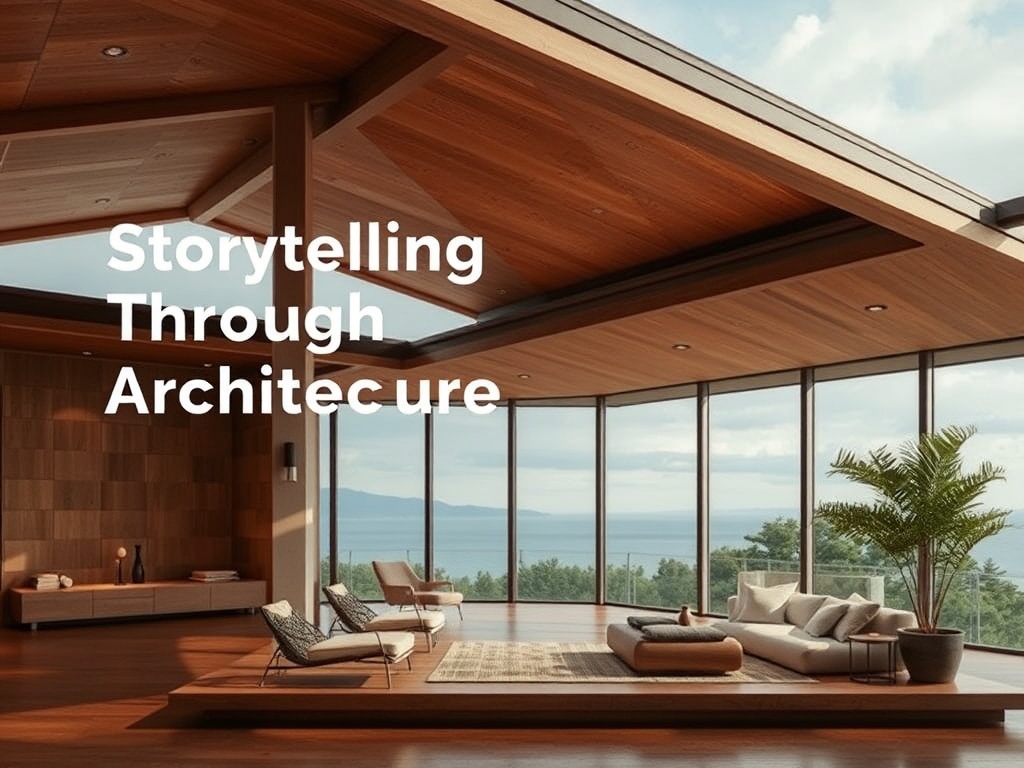

When Walls Speak: The Power of Narrative Design
Architecture is more than structure — it’s a vessel for stories. When a building tells a tale, it transforms into an experience. This philosophy was championed by visionary architect Bruce Goff, whose unconventional creations continue to inspire architects and travelers alike. Imagine spending the night in a home that feels like a dreamscape or a sculpture frozen in time — that’s the magic of narrative-driven architecture.
Bruce Goff’s Legacy: Where Imagination Meets Habitat
Known for his organic and eclectic style, Goff defied conventions. He blended materials, repurposed objects, and let imagination guide form. His works, like the Bavinger House or the Ford House, resonate with uniqueness because they echo stories — of nature, science fiction, music, and more. Staying in a space inspired by his legacy means inhabiting a story, not just a room.
Elements of Goff-Inspired Hospitality
- Organic shapes: Curves and asymmetries that mimic nature.
- Unexpected materials: From glass cullets to airplane parts.
- Immersive ambiance: Light, sound, and space used to evoke emotion.
- Personal narrative: Spaces often reflect the story of the owner or the region.
Why Narrative Architecture Enhances Guest Experience
When guests walk into a space that tells a story, they engage on a deeper level. It’s not just about aesthetics — it’s about emotional resonance. A narrative space invites curiosity, reflection, and connection. It encourages guests to slow down, explore, and remember.
Benefits for Travelers:
- Memorable stays: Unique design lingers longer in the mind.
- Connection to place: Architecture rooted in local culture creates authenticity.
- Engaging senses: Texture, light, and sound shape a full experience.
- Instagrammable moments: Distinctive visuals make for compelling stories to share.
Designing with Intention: Tips for Hosts and Designers
Whether you’re crafting a boutique guesthouse or remodeling a tiny cabin, embedding narrative into your design can elevate your offering. Here’s how to infuse storytelling into your space:
1. Start with a Theme or Myth
Draw from local folklore, history, or even personal anecdotes. A narrative foundation gives structure to creative decisions. For example, a desert retreat might echo indigenous tales of wind and sand, while a forest cabin could evoke a fairytale atmosphere.
2. Use Materials That Speak
Every material has a story. Reclaimed wood, vintage tiles, or locally quarried stone can carry heritage and texture. According to Architectural Digest, using salvaged materials not only adds depth but also promotes sustainable design.
3. Create Moments of Surprise
Goff loved the unexpected — a spiral staircase leading to nowhere, or a skylight shaped like a gemstone. Small surprises delight guests and reinforce your narrative. Think hidden nooks, sculptural furniture, or playful lighting.
4. Incorporate Local Art and Craft
Support regional artisans and integrate their work into your space. It roots the experience in the local context and tells the story of the community. From handwoven textiles to ceramics, these details enrich the narrative fabric of your stay.
Guests Remember Stories, Not Just Beds
In an era where travelers crave connection and authenticity, narrative architecture offers a powerful differentiator. A building that whispers — or shouts — its identity becomes more than a shelter. It becomes a destination.
Whether inspired by the radical genius of Bruce Goff or your own creative journey, consider how space can tell a tale. Guests may forget the thread count, but they’ll always remember how a place made them feel. And often, that begins with the story its walls are telling.
