
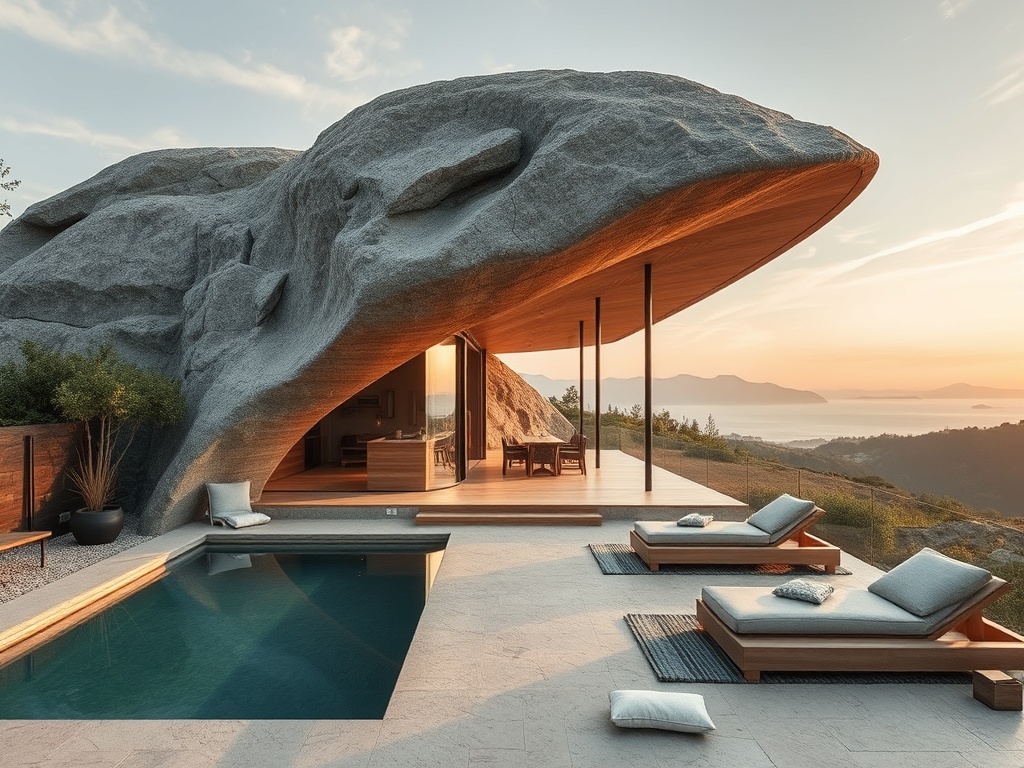

The Spirit of Innovation in Unconventional Stays
When it comes to travel, the place where you rest your head can be just as transformative as the journey itself. Imagine waking up under a mosaic dome, or sipping coffee in a living room shaped like a seashell. These are not scenes from a movie, but real places inspired by the bold architectural visions of creatives like Bruce Goff, who redefined the boundaries of form and space.
Who Was Bruce Goff?
Bruce Goff was an American architect renowned for his organic, often whimsical designs that broke away from traditional norms. His works boasted vibrant colors, unconventional materials, and a deep harmony with the surrounding environment. Rather than following a set style, Goff embraced individuality and encouraged buildings to reflect the personalities of their inhabitants. This philosophy continues to inspire a new wave of architectural experimentation in hospitality.
Design as a Journey: Staying in Architecture That Tells a Story
Unlike typical hotel chains, architecture-driven accommodations immerse guests in narratives woven into walls, windows, and furniture. Each corner reveals a decision — a curve that echoes a melody, a skylight that mimics a constellation — designed not just to shelter, but to evoke emotion.
Key Elements of Experiential Architecture
- Organic shapes that reflect natural landscapes
- Use of unexpected materials like glass marbles, driftwood, or repurposed steel
- Integration with the environment to enhance sustainability and ambiance
- Attention to acoustics, lighting, and spatial flow
Not Just a Place to Sleep: Living Art Installations
Some architectural getaways function as living museums, where guests can engage with the design as part of their stay. From desert domes in New Mexico to treetop pods in Scandinavia, these structures challenge the very idea of what a home — or a hotel — should be. Even the smallest detail, like a mosaic-tiled sink or stained glass window, contributes to the immersive experience.
Why These Spaces Leave a Lasting Impression
Studies in environmental psychology suggest that unusual spatial experiences can boost memory retention and emotional impact. That’s why travelers often remember the architecture of a place as vividly as the destination itself. Unique stays offer:
- Deeper emotional connections to the journey
- Opportunities for personal reflection and inspiration
- Increased appreciation for art, design, and craftsmanship
Planning Your Own Architectural Escape
Looking to book a stay that’s anything but ordinary? Here are some guiding principles to help you choose the right spot:
- Research the architect behind the property — their philosophy often informs the entire experience
- Look for locations that harmonize with nature, enhancing both beauty and sustainability
- Consider the story or cultural context of the building for a more enriching stay
For example, the National Geographic’s curated list of unique hotels offers insight into how architecture can shape the soul of a getaway.
Final Thoughts: When Shelter Becomes a Story
We travel to step outside our routine, to see the world — and ourselves — from a new perspective. Architectural experimentation in hospitality achieves exactly that, turning brick and mortar into a canvas of imagination. Whether you find yourself sleeping in a glass igloo beneath the northern lights or meditating in a spiral-shaped adobe, these spaces linger in memory long after the trip ends.
Don’t just visit a destination — live inside its dream.
